
Expert Diving Solutions for Challenging Underwater Projects
- Henry Rabade
- Sep 27, 2025
- 4 min read

Underwater projects can be both exciting and daunting. Whether you are involved in construction, research, or environmental conservation, the challenges of working beneath the surface are unique. Expert diving solutions can make all the difference in ensuring safety, efficiency, and success. In this post, we will explore various aspects of expert diving solutions, including techniques, equipment, and real-world applications.
Understanding the Importance of Expert Diving Solutions
Diving is not just about jumping into the water. It requires skill, training, and the right equipment. Expert divers are trained to handle various underwater challenges. They can work in extreme conditions, such as strong currents, low visibility, and cold temperatures.
The Role of Professional Divers
Professional divers play a crucial role in many underwater projects. They are trained to perform tasks such as:
Inspection: Checking the condition of underwater structures like bridges, pipelines, and ships.
Repair: Fixing damages to underwater installations.
Construction: Assisting in building underwater structures.
Research: Collecting data for scientific studies.
Each of these tasks requires specific skills and knowledge. Professional divers are equipped to handle these responsibilities safely and effectively.
Key Techniques in Expert Diving
Diving techniques vary based on the project requirements. Here are some key techniques that expert divers use:
1. Scuba Diving
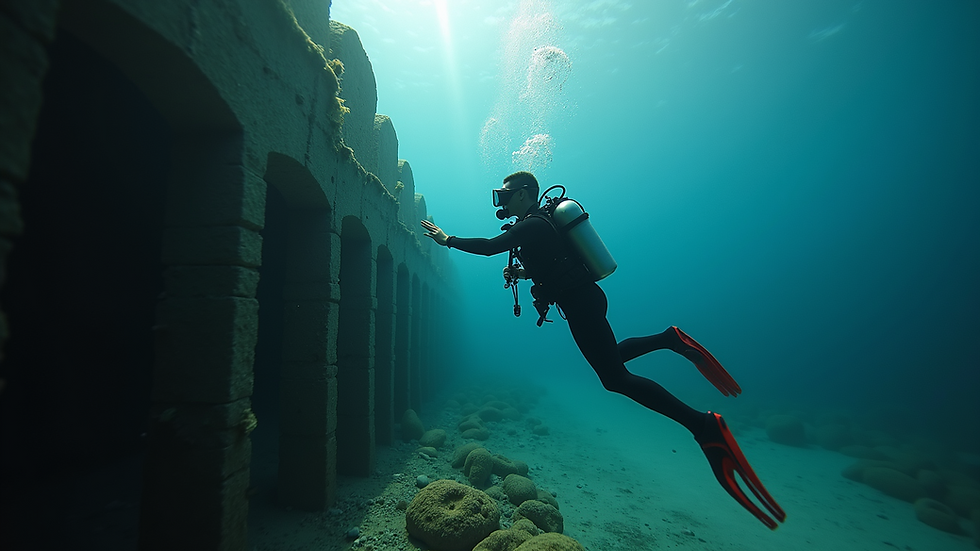
Scuba diving is the most common form of diving. Divers use a self-contained underwater breathing apparatus to explore underwater environments. This technique is ideal for projects that require mobility and flexibility.
2. Saturation Diving
Saturation diving is used for deep-sea projects. Divers live in a pressurized environment for extended periods. This technique allows them to work at great depths without the need for frequent decompression.
3. Commercial Diving
Commercial diving involves various tasks, including underwater welding and cutting. This technique is essential for construction and repair projects. Divers use specialized equipment to perform these tasks safely.
4. Free Diving
Free diving is a technique where divers hold their breath while exploring underwater. This method is often used for short tasks and requires excellent breath control.
Essential Equipment for Expert Diving
The right equipment is vital for successful underwater projects. Here are some essential tools and gear that expert divers use:
1. Diving Suits
Diving suits protect divers from cold water and potential hazards. There are different types of suits, including wetsuits and drysuits. The choice depends on the water temperature and project requirements.
2. Breathing Apparatus
Divers use various breathing apparatuses, such as scuba tanks and rebreathers. These devices provide the necessary air supply for underwater work.
3. Underwater Cameras
Underwater cameras are essential for documenting projects. They help in inspections and provide visual evidence of conditions and progress.
4. Communication Devices
Effective communication is crucial during underwater projects. Divers use underwater communication systems to stay in touch with their team on the surface.
Real-World Applications of Expert Diving Solutions
Expert diving solutions are applied in various fields. Here are some examples of real-world applications:
1. Marine Construction
In marine construction, expert divers are essential for building and maintaining structures like piers and docks. They inspect the underwater foundations and ensure everything is secure.
2. Environmental Conservation
Divers play a vital role in environmental conservation efforts. They help monitor coral reefs, collect data on marine life, and participate in cleanup projects.
3. Oil and Gas Industry
The oil and gas industry relies on expert divers for underwater inspections and repairs. Divers ensure that pipelines and rigs are functioning correctly and safely.
4. Scientific Research
In scientific research, divers collect samples and data from underwater environments. Their work contributes to our understanding of marine ecosystems and climate change.
Safety Considerations in Expert Diving
Safety is paramount in any diving project. Here are some key safety considerations:
1. Training and Certification
All divers should undergo proper training and certification. This ensures they have the necessary skills to handle various underwater challenges.
2. Equipment Checks
Before any dive, divers must check their equipment. This includes inspecting suits, tanks, and communication devices to ensure everything is in working order.
3. Emergency Protocols
Divers should be familiar with emergency protocols. This includes knowing how to respond to equipment failures or medical emergencies.
4. Team Coordination
Effective communication and coordination among team members are crucial. Divers should always work in pairs or teams to ensure safety.
The Future of Expert Diving Solutions
As technology advances, the future of expert diving solutions looks promising. Innovations in equipment and techniques will enhance safety and efficiency. Here are some trends to watch:
1. Advanced Robotics
Robotic technology is becoming more integrated into underwater projects. Drones and remotely operated vehicles (ROVs) can assist divers in inspections and data collection.
2. Improved Training Programs
Training programs are evolving to include virtual reality and simulation. This allows divers to practice in realistic environments before actual dives.
3. Sustainable Practices
There is a growing emphasis on sustainable diving practices. Divers are increasingly focused on minimizing their impact on marine environments.
Conclusion: Embracing the Depths with Confidence
Expert diving solutions are essential for tackling challenging underwater projects. With the right techniques, equipment, and safety measures, divers can navigate the depths with confidence. As technology continues to evolve, the possibilities for underwater exploration and work will only expand. Whether you are involved in construction, research, or conservation, understanding expert diving solutions can help you achieve your goals safely and effectively.


Comments